
Saint Swithun
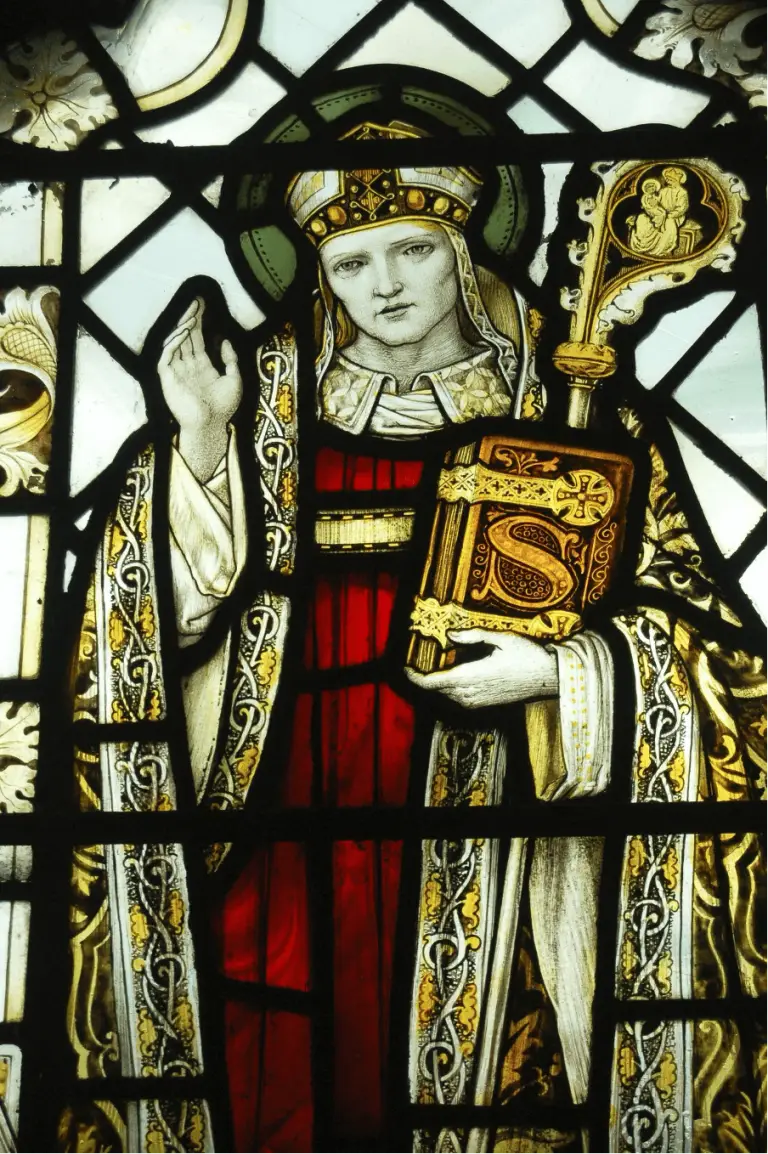
Saint Swithun was born in the early 9th century in the Anglo-Saxon kingdom of Wessex. Little is known about his early life, but he became a monk and was known for his humility, wisdom, and practical care for others. His learning and holiness led to his appointment as Bishop of Winchester around the year 852 during the reign of King Æthelwulf.
Swithun was not a bishop who sought status or wealth. He was known for visiting the poor, helping farmers, and quietly repairing churches. One well-loved tradition says he helped build or restore bridges so that travellers and the poor could cross rivers safely. His ministry focused on simple service and pastoral care rather than power.
He asked to be buried outside his cathedral where people could walk over his grave and remember that all are equal before God. Years after his death, when monks tried to move his remains inside the cathedral, heavy rain reportedly fell for many days. This gave rise to the famous weather legend: if it rains on St Swithun’s Day, it will rain for forty days.
Whether legend or not, it reflects how deeply people remembered him. He became one of England’s most beloved local saints, associated with humility, charity, and trust in God.
His feast day is celebrated on 15 July.
Saint Thomas More
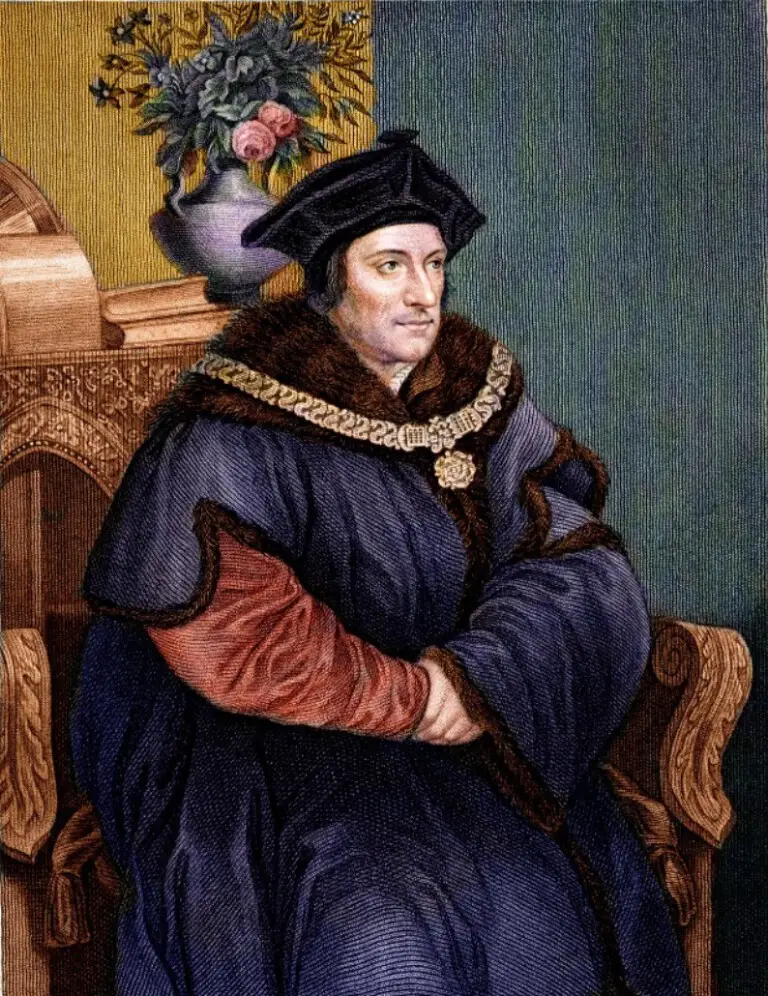
Saint Thomas More was born in London in 1478 to a respected legal family. His father was a judge, and from a young age Thomas received an excellent education. As a boy he served as a page in the household of the Archbishop of Canterbury, where he developed a love for learning and the faith. He later studied at Oxford, becoming skilled in law, languages, and philosophy.
Although drawn to monastic life, More felt called to serve God in public life. He became a successful lawyer, a Member of Parliament, and eventually Lord Chancellor of England under King Henry VIII. Known for his honesty, wit, and learning, he was also a devoted husband and father. He educated his daughters as well as his son—unusual for the time—and encouraged lively discussion at home.
More’s life changed dramatically when King Henry VIII sought to separate from the Catholic Church. More could not accept the King’s claim to be head of the Church in England. Because he would not swear an oath supporting this decision, he was imprisoned in the Tower of London. After more than a year in custody, he was tried and found guilty of treason.
He was executed in 1535, remaining peaceful and faithful to his conscience until the end. He is remembered as a martyr for truth, integrity, and religious freedom.
We celebrated his feast day on the on 22 June.